Entry 1:
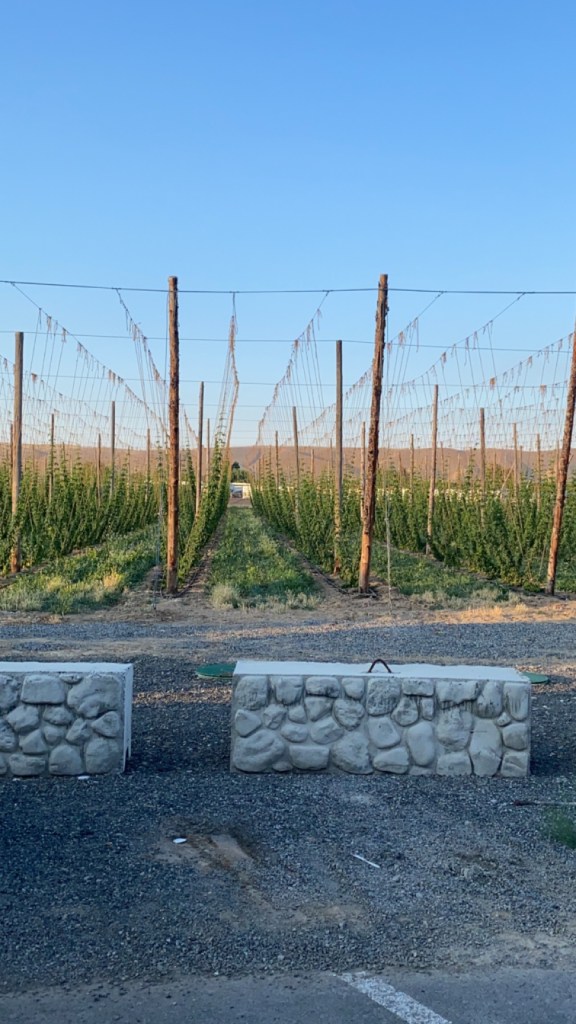
Weeks one and two have been the craziest and the most overwhelming experience. I moved all my things to Yakima for the summer the day before I started, unpacked, and started getting ready for work the next day. June 8th is when I began at Bale Breaker and I ended up having a 102-degree fever, but I went to work anyway because I didn’t want to miss my first day and make a bad Impression. I later found out I had a really bad case of strep throat so I missed my second day of work. Other than being sick my first week, I showed up for day three and learned more than I have about this industry and how the brewing equipment worked. This is by far the biggest brew system I have ever worked on so I was very overwhelmed with all the information the first two weeks. Although there was a lot to take in, I learned a lot and was able to get forklift certified so I could run totes to dump hop residue from the kettle and whirlpool to outside tanks. I also attended the annual ALES for ALS charity event that Bale Breaker puts on every year.
Entry 2:
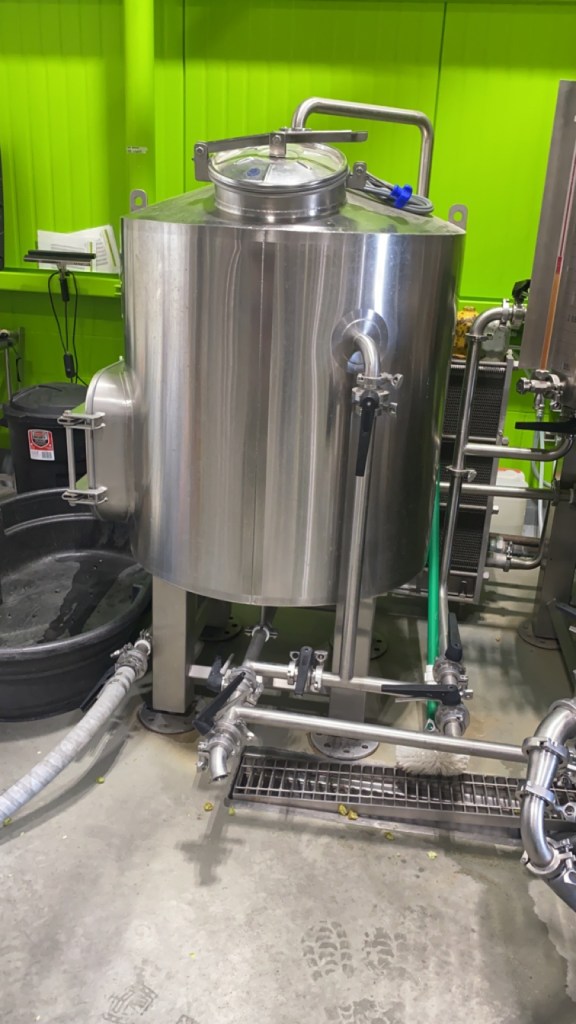
Week three and four I started in the lab doing yeast cell counts and beer stats. I was in charge of beer stats all summer long. I would go to the listed fermenters on the clipboard, take samples from the sample port, filter the yeast out of the beer, and check the PH and the plato of the beer during fermentation and make sure everything is going as planned during the fermentation process. I was able to ask a lot of questions to brewers and people in the lab so I did end up still learning a lot. I also started taking pure yeast samples and making sure that the yeast that was being pitched in our brews that day was good and healthy post-harvest. Instead of doing yeast cell counts the old fashion way, with a clicker, and blue dye, I was able to have the luxury of using a cellometer that basically counts the yeast for you, you just have to set up the slide. I also did solid counts for pure yeast samples and I would run those through the centrifuge and measure the solids that came from those yeast samples. I was also able to dry hop for the first time with one of our brewers. This was kind of a crazy experience dry hopping 90 to 120-barrel tanks up on a huge scissor lift. I learned a lot about why we put pressure on a tank before we dry hop and what happens when a “beer geyser” occurs.


Entry 3:
Week five and six is when everything started to click, I was understanding what lines went to where, how much to dough in, how to do VDK’s, and why we test for them. I really learned how important these VDK tests are. We are testing for diacetyl in our beer. It can cause a buttery-like taste and texture in the beer and it is also a sign of secondary fermentation which is bad, especially for a huge production company like Bale Breaker. The cause of the second fermentation is that there is something in our beer/tank that caused our yeast to wake up and eat more sugars after they already did that during primary fermentation. So I learned the importance of those and how to take those tests.
Entry 4:
Week seven and eight I still feel like I am learning so much. I spent a few days in the micro lab and took lots of sterile samples and made agur for micro swabs to make sure we have no wild yeast strains that have made their way into our beer. I also spent a lot of time in the cellar. I learned how to clean and entire tank from start to finish from caustic, to hot rinse, and PBW rinses too on all parts of the tank. By the end of my time in the cellar, I was able to completely take apart and put together a tank by myself and clean it from start to finish. This was really big for me because I wanted to be able to put on my resume that I know how to CIP fermenters from start to finish all by myself. The hardest part of being in the cellar was it is so much more manual labor than being on the brew deck. The hoses are heavy as it is, but they are also filled with water, and you are carrying these hoses with caustic that you can get on your skin, you’re going up and down ladders, trying to be out of everyone’s way who are knocking out their beer and pitching yeast, it looks like a mess in the cellar midday. So just trying to stay organized during the chaos and it being so much physical work was the hardest part. But I think I handled it pretty well and asked for help when I needed it. This next week I will be spending as much time as I can on the brew deck helping brewers as much as I can and also I will have a day in the pilot where we test out new recipes.
Overall Experience:
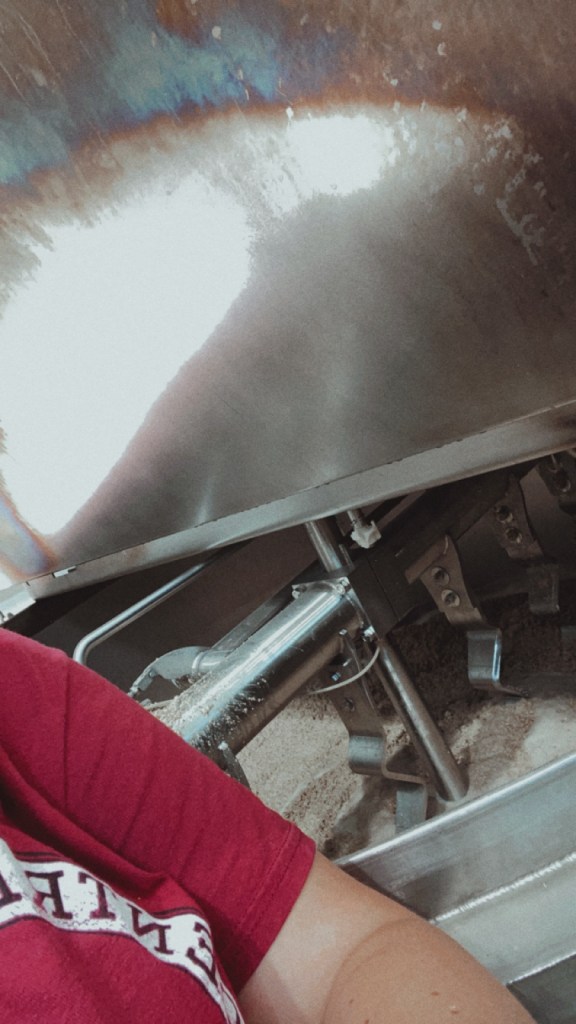
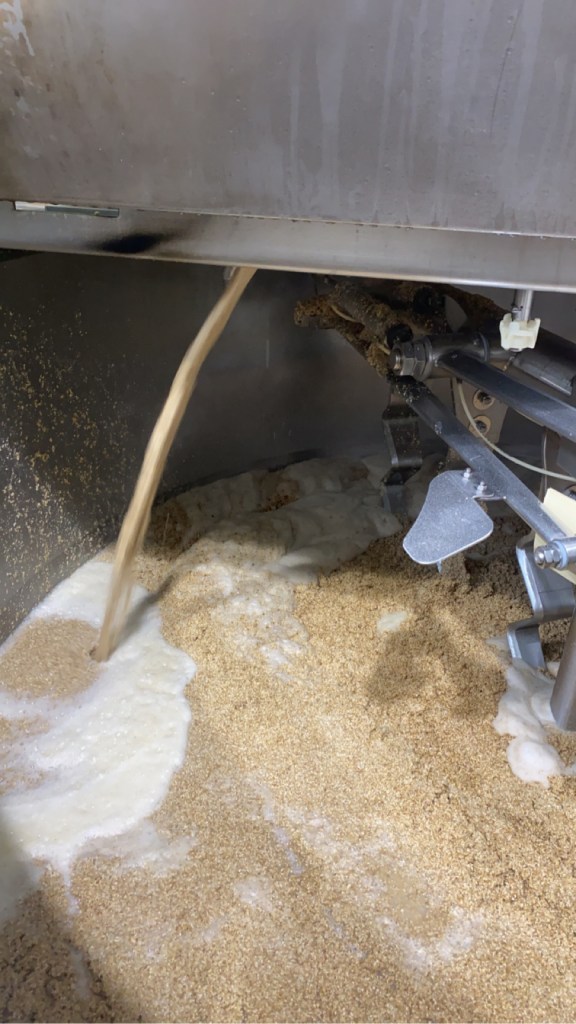
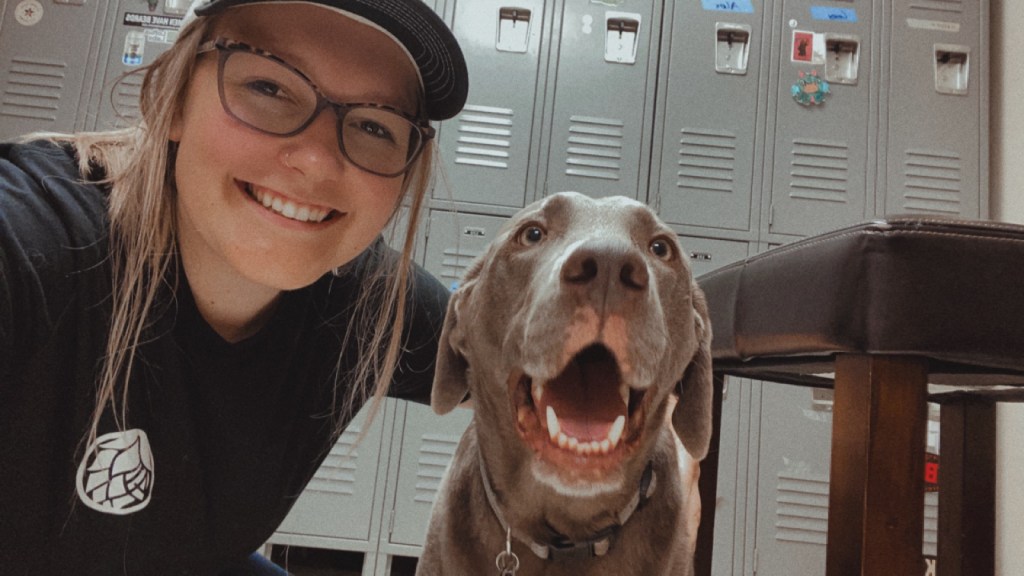
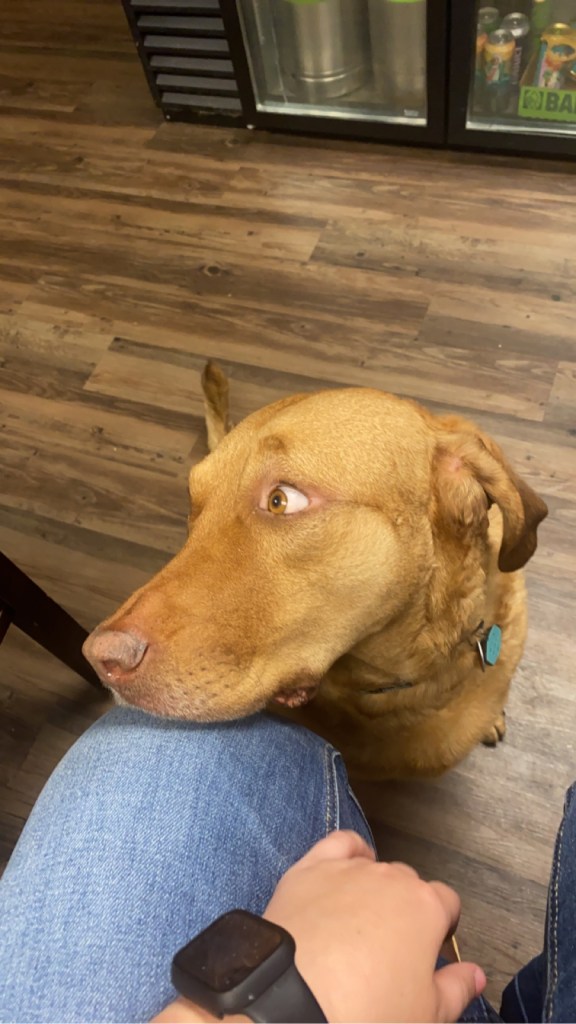
There is so much that I have learned over these eight weeks. I honestly feel like I have learned more in these eight weeks than I have over three years in college. Not that my classes and my program aren’t phenomenal, but in an industry like craft brewing, it is so hard to learn from a PowerPoint. Especially when I am a hands-on visual learner, I had an idea on what the industry was like, but I never understood it or really knew how the science factored into it until it was all out together right in front of me. The workplace was amazing, I had the best teachers and role models there, and they genuinely care about my learning experience. Not only did I learn about my Craft Brewing major, but I also learned a lot about my Business minor. I was able to sit down with all the owners and ask them about how they started, what they would do differently, and more. This was by far one of the best learning experiences I have ever had. Below are some fun random photos I took at work or related to work. My favorite coworkers are pictured too!

 CWU Craft Brewing