Grape Processing, Fermentation, and Aging
This fall quarter for my Craft Brewing Practicum project I decided to make wine. I have recently been thinking about what kind of career path I want to take after graduating this spring, so this project has been my version of a test run at being a winemaker! Essentially my goal for this project was to see if I could make wine from grapes to fully fermented, oaked, and aged wine. I predicted if I was given the resources, I would be able to make a quality wine that people may like and want to drink.
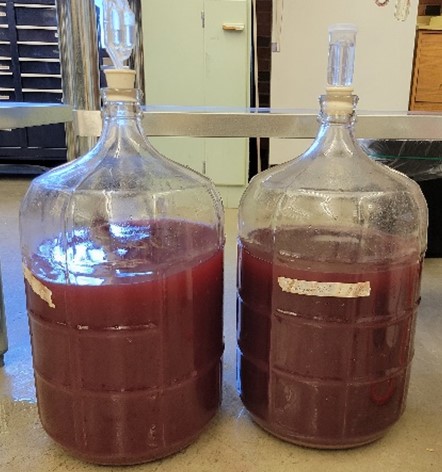
My research began with first collecting wine grapes which as a college student with limited resources is usually hard to come by. But to my luck, the CWU Wine Studies program was putting on a grape stomping event. I got in touch with Jill Clark (head of the CWU wine department) who was more than happy to give me the grapes and juice for my project. In the end, I ended the day with two vessels worth of Cab Franc grape juice and skins donated to the school/me via local winery Gard Vintners.
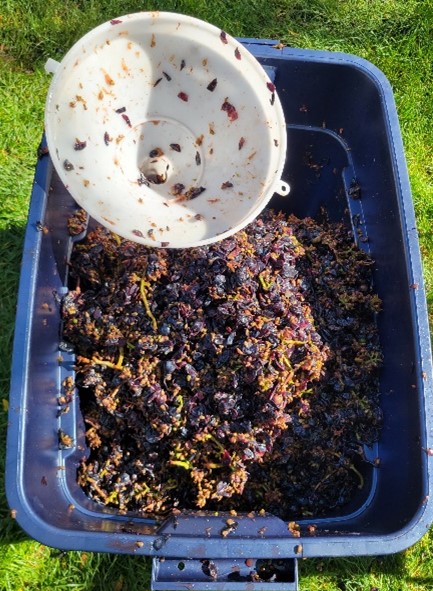
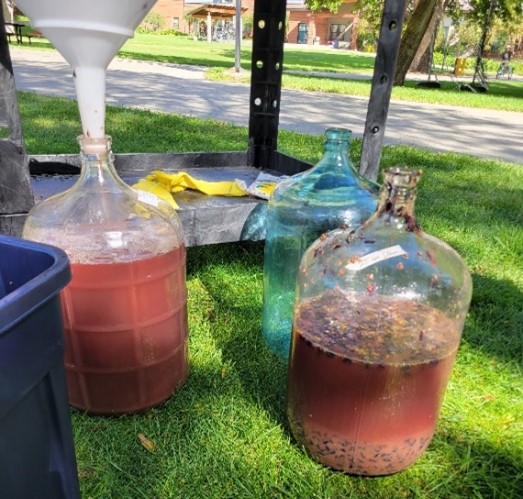
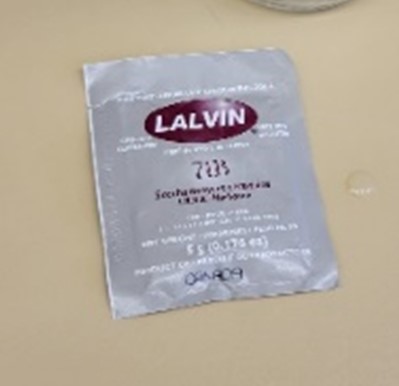
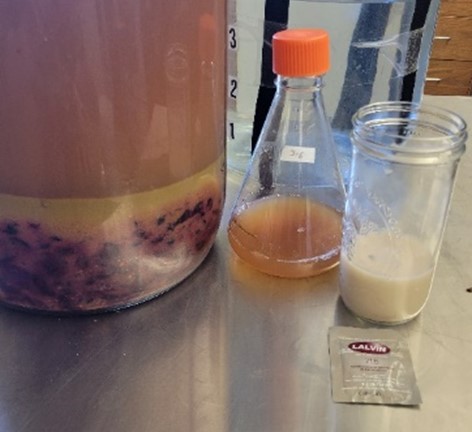
To make them different I added two different wine yeast strains in each of the Cab Franc carboys, I started coming in daily through the whole primary fermentation process to get pH and Brix readings as well as shake the vessels around to keep the yeast active and carrying out fermentation for my wines. Around mid-October/November, we took the wine off the skins and yeast and transferred it back into the vessels moving the daily test into just weekly tests to avoid too much CO2/ O2 getting into the wine.
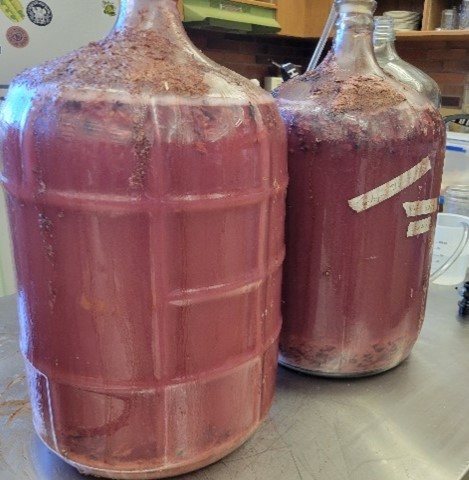
| Wine | Yeast Strain | Wood Chips |
| Wine #1 | Torulaspora 316 + Lalvin 71B Wine Yeast | French Oak Chips (Medium Roast) |
| Wine #2 | Lalvin D-47 | American Oak Chips (Light Roast) |
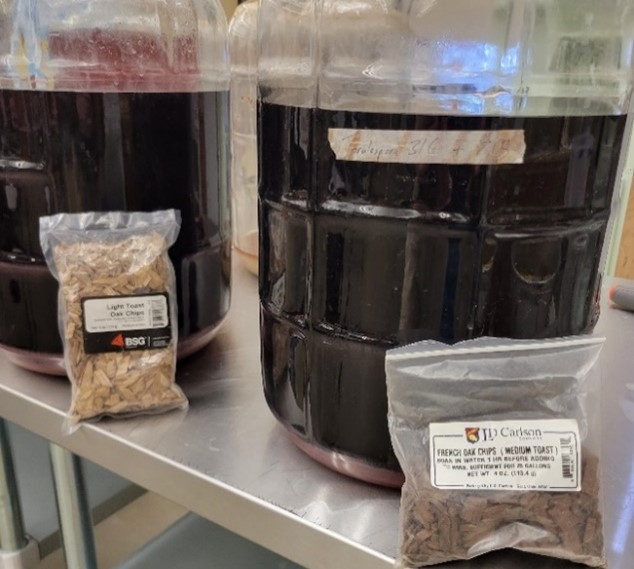
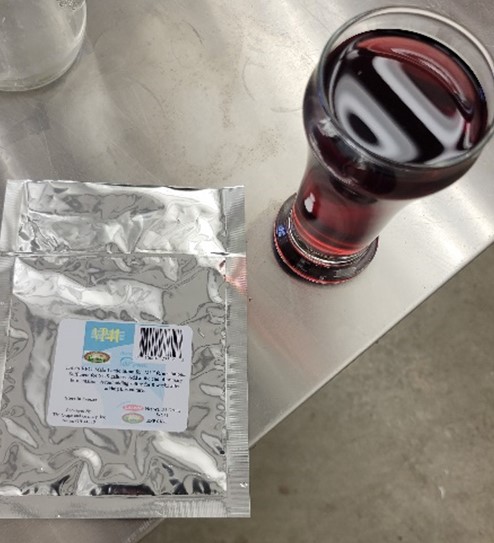
I am going to leave the wine to age over the Christmas break and then come back in the winter quarter to take the wine off wood chips and bottle. I do have plans to continue my use of this wine during the winter quarter by creating a sensory panel to compare my wines against two store-bought Cab Francs so that I may be able to get some feedback on my winemaking skills and what I should be looking to improve on my future winemaking endeavors.
I had a wonderful time during the duration of making my wines! I have put so much time and research into them with the help of lab tech Brian that they are my current pride and joy. We have been tasting them along the way and I have been more than happy with the progression of the palate. I cannot wait to take the wines off wood chips and see what the people think about my creations. To be honest I’m just proud they’re turning into a drinkable wine meaning they both successfully went through fermentation. I got to experience firsthand what it’s like to make wine from getting full grapes and watching them go through a “pressing” process via stomping to adding yeast to the grape skins and juice and making wine. I got to experience a great portion of the science aspect that comes into play like testing the wine’s pH and Brix levels every morning to make sure the fermentation process is staying on track as well as getting a sense of how long we should leave the wine on the skins and the yeast before taking it off to age with the woodchips to mimic the desirable making of red wine in barrels. This allows the wine to develop more secondary and tertiary notes like leather, vanilla, and light roast, which help to complement the green pepper, herbal, and pencil shaving characteristics of the Cabernet Franc, resulting in a more balanced and appealing flavor profile. I essentially learned the basics of making wine and loved it! I can confidently confirm becoming a winemaker is on my list of potential careers I want to explore post-college life.
Sensory Analysis of Wines
This winter for my Craft Brewing Practicum project I spent the quarter continuing my wine-making endeavors having made three Cab Francs all with different yeasts and treatments applied. At the end of the fall quarter, my wines were all left to age on different wood chips for about a month. After the wines were done aging, we began the bottling process which consisted of racking the wine off the wood chips and into recycled wine bottles and hand-corking them. To give the wine time to age in the bottles we left them in a dark back room and got onto the main research of this quarter’s project. I wanted to get feedback on my finished wines so naturally a blind tasting was the best way to do so. Working with Professor Sasaki to come into some of his classes and have his students be a part of my blind taste tests. I took the time to create two different surveys for the students to fill out while they were tasting the wines, one was all about the drinker’s personal wine history and knowledge while the other pertained to the Cab Francs they were tasting. The main thing I was looking to find out from the blind tasting/ surveys was what people thought about my wines and what I could do in the future to create a better product.
The structure of the two blind tastings we set up was simple yet effective. I assigned each of the wines I made to a number and poured them into glasses to let the student’s blind taste test while they filled out my surveys.
| Wine | Treatment |
| Wine #1 | Cab Franc, Lavlin D-47 Yeast, American Oak Chips (Light Roast) |
| Wine #2 | Cab Franc (Blended), French Oak Chips (Medium Roast), American Oak Chips (Light Roast) |
| Wine #3 | Cab Franc, Torulaspora 316 + Lavlin 71B Yeast, Acid Blend, French Oak Chips (Medium Roast) |
After both sessions of my blind tastings, I was able to get a total of 12 people to taste my wines and fill out the surveys I created. After taking the time to look over the results of the surveys it seems wines one and three were the crowd favorites both being liked for different reasons. Wine #1 was loved for its light body and tannins with an approachable coffee and cherry flavor while Wine #3 was loved for its heavier tannin profile and high acidity having flavors of chocolate, coffee, plum, and sour cherry. Wine #2 was not very well loved as it was described as having a water-like consistency and tasting of plastic red fruit.
Based on the combined results of the surveys:
- Wine #1 – Cab Franc Lavlin D-47 + American oak light roast woodchip.
- Wine #3 – Cab Franc Torulaspora 316 + Lavlin 71B + Acid blend + medium roast French oak chips.
These two wines were the crowd favorites I believe these were the favorites based on the treatments I did to them like adding the acid blend to Wine #3 helped bring up the acidity in the wine making it appear to have a more complex flavor profile. I liked the flavors of chocolate, coffee, and stone fruit that were extracted from the medium roast French oak in Wine #3.
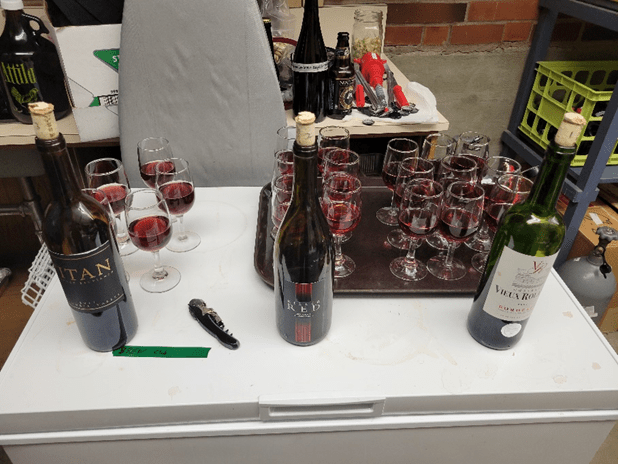
Overall, this experience of making wine from grapes to getting a blind tasting of said wine was something very eye-opening for me in terms of my future career as a winemaker, as the first wine I’ve ever gotten to make I’m very happy with the results of these Cab Francs and now have some real experience of experimenting with wines to know what kinds of wine I want to make in the future as a winemaker.
 CWU Craft Brewing